Kusile Labs & Technology is transforming science education across South Africa with its innovative modular laboratories — designed to bring world-class STEM learning directly to schools. Each mobile lab is fully equipped, safe, and rapidly deployable, enabling students to explore chemistry, physics, and biology through hands-on experiments. Built for accessibility and impact, these labs empower learners in both urban and rural communities to engage with science in modern, inspiring environments. By bridging infrastructure gaps and fostering curiosity, Kusile Labs & Technology is engineering a brighter future — where every learner has the tools to discover, innovate, and succeed.
Kusile Labs & Technology is a South African innovation company dedicated to transforming science education in primary and high schools through accessible, modern laboratory solutions. We specialize in three types of science labs designed to empower learners and educators:
Modular Science Laboratories: Prefabricated, fully equipped labs rapidly installed on school grounds, providing safe and durable spaces for STEM learning.
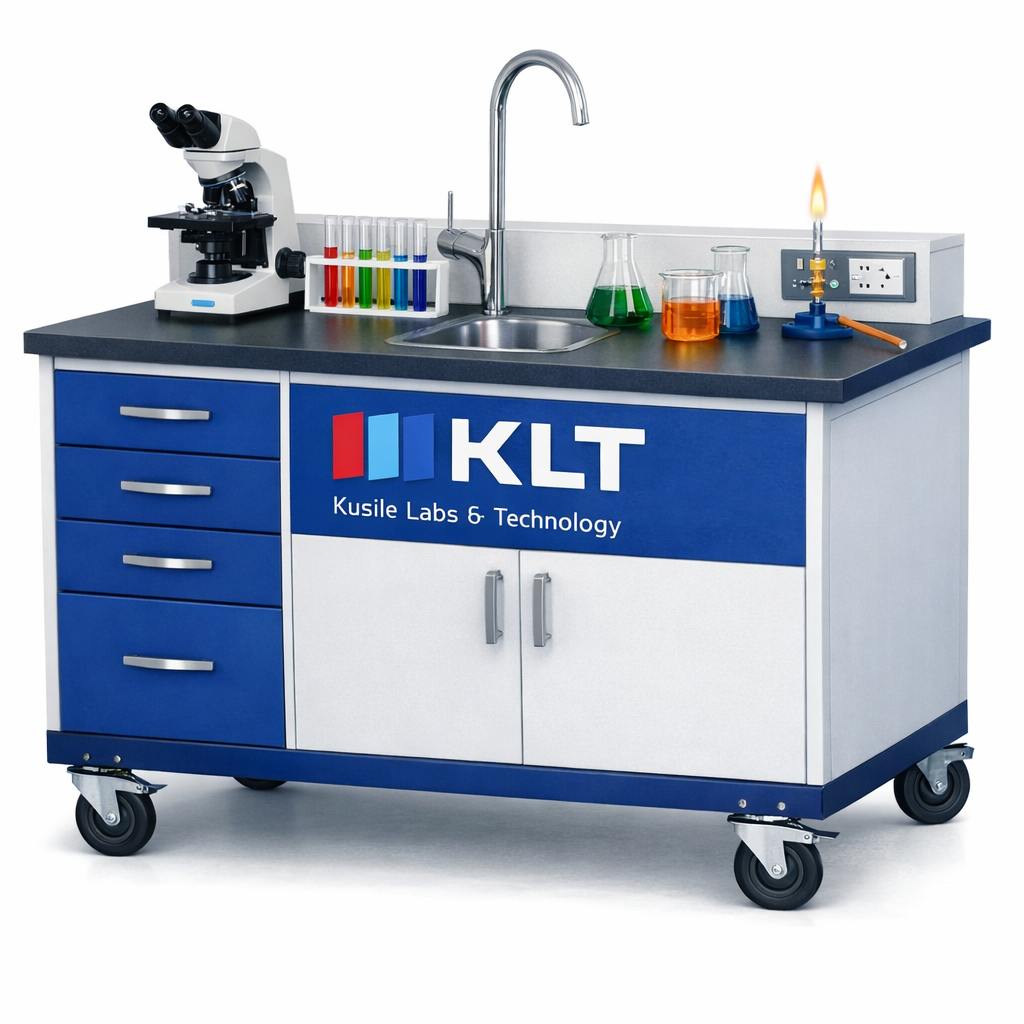
Mobile Science Laboratories: Compact workstations on caster wheels that move seamlessly between classrooms, bringing hands-on experiments directly to learners.
Conversion Laboratories: Cost-effective solutions that transform existing classrooms into fully functional science labs, tailored to specific school needs.
Driven by innovation and inclusivity, Kusile Labs & Technology bridges infrastructure gaps, ensuring every learner has the tools to explore, discover, and thrive in STEM education.
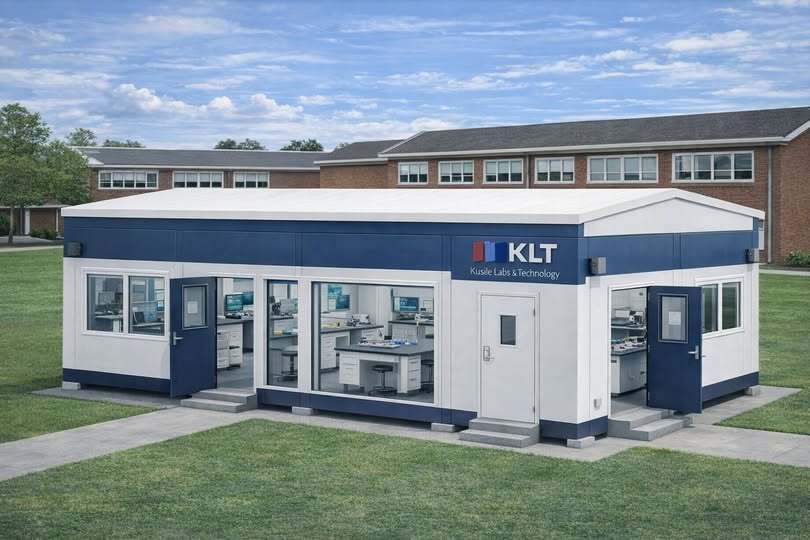
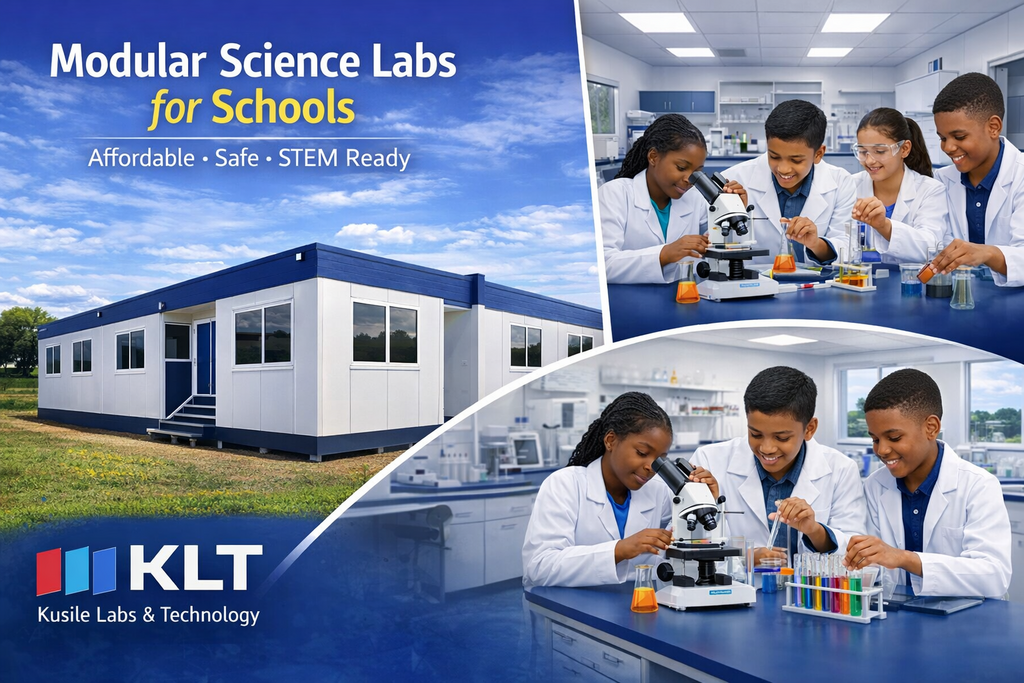
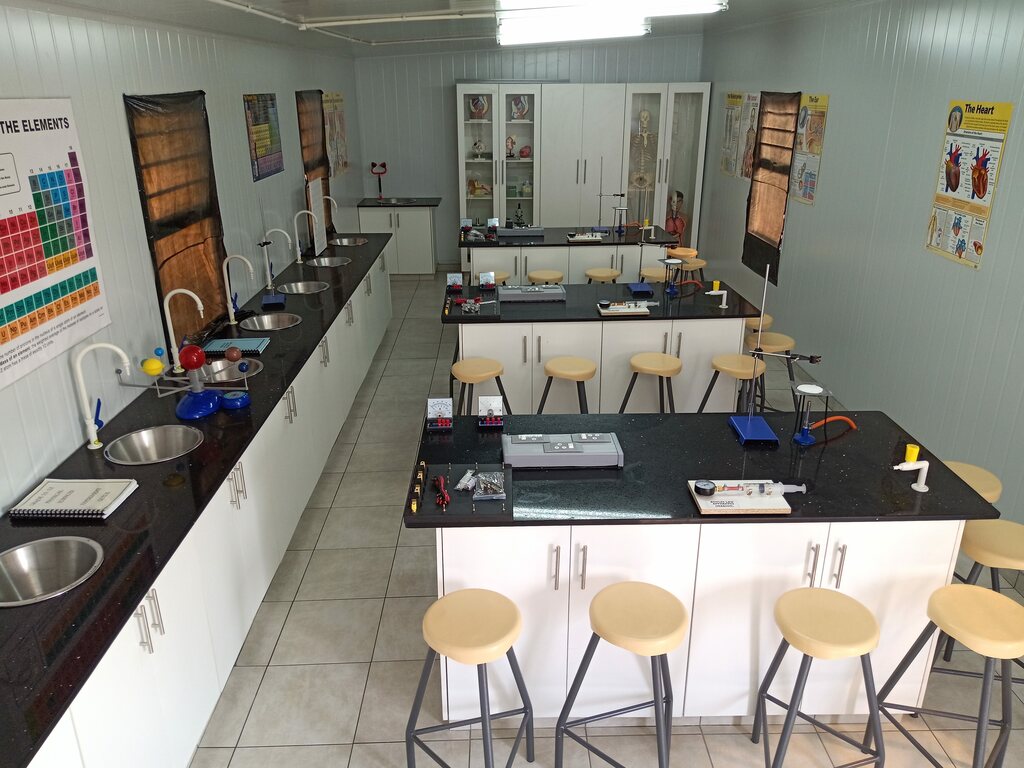
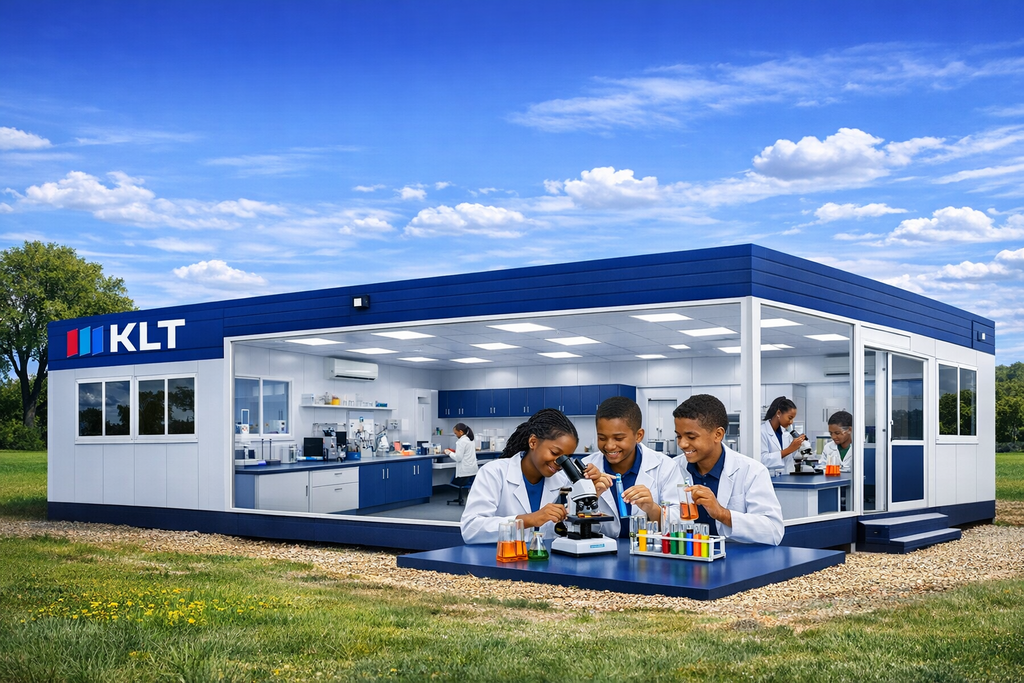
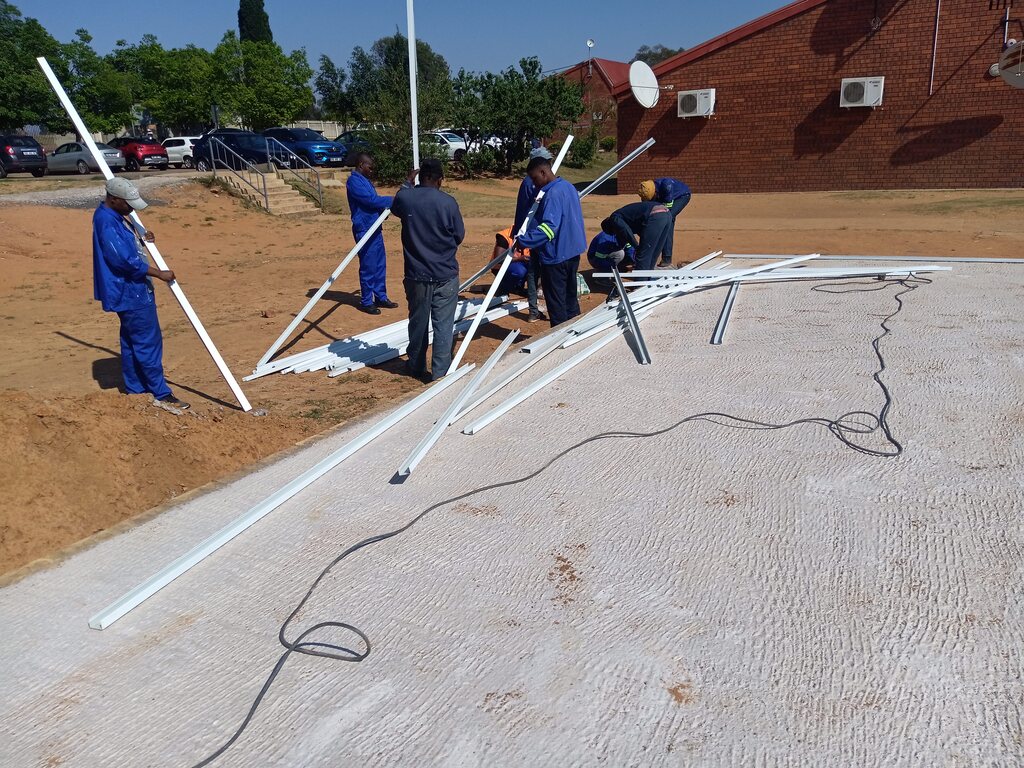
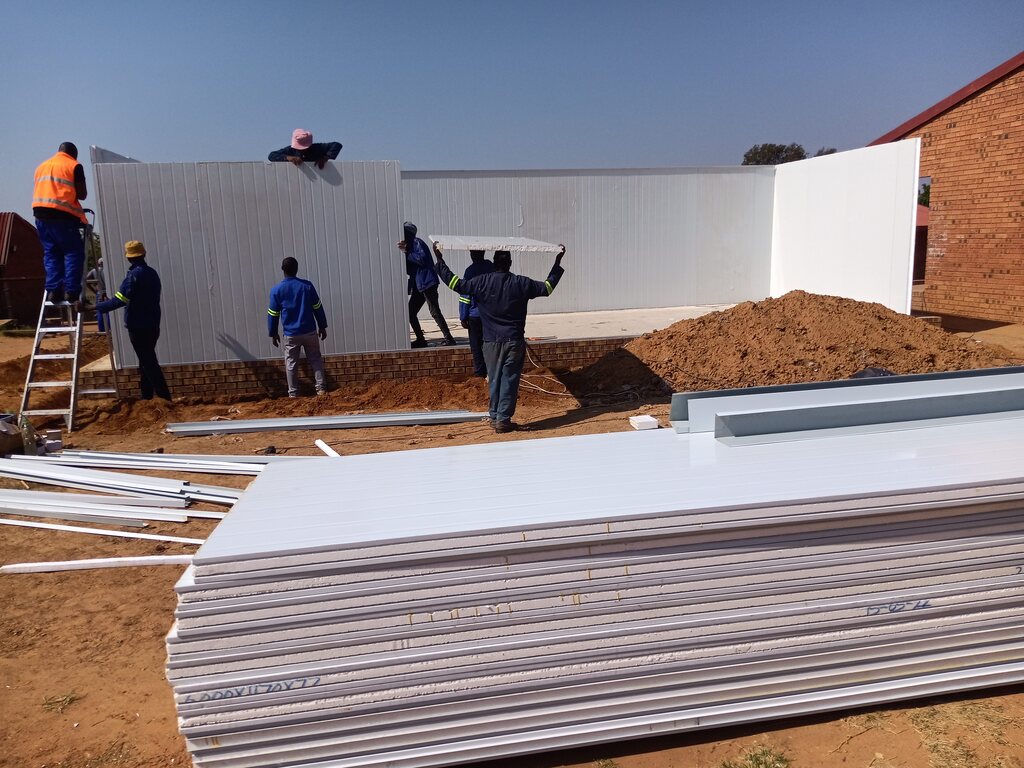
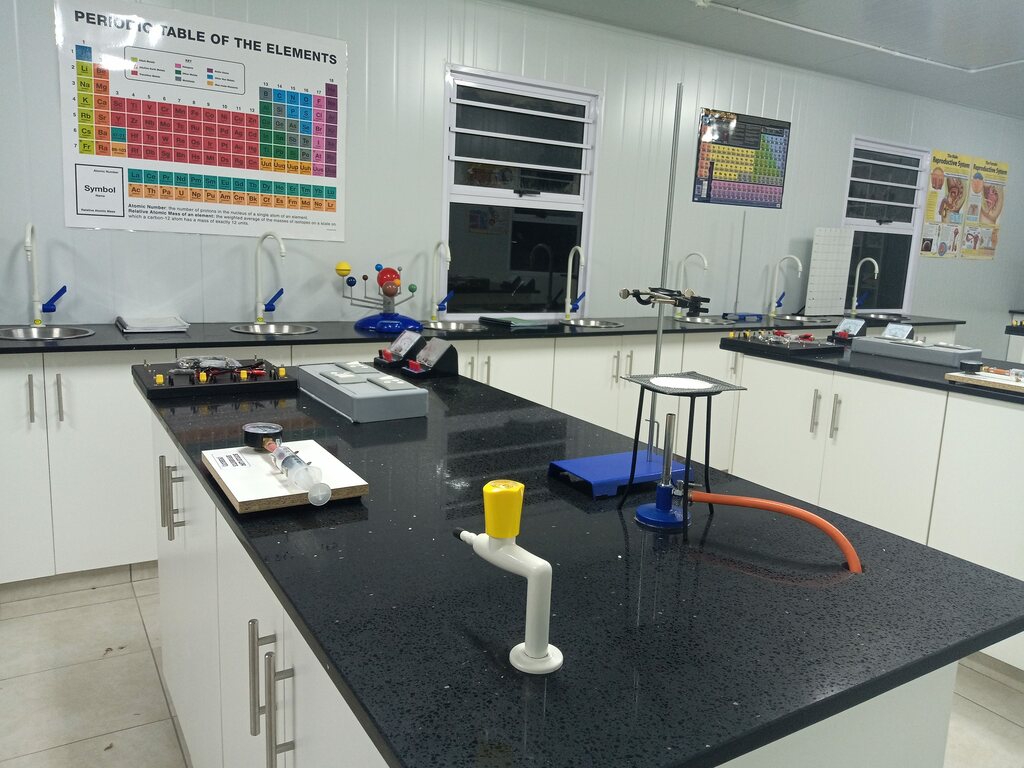
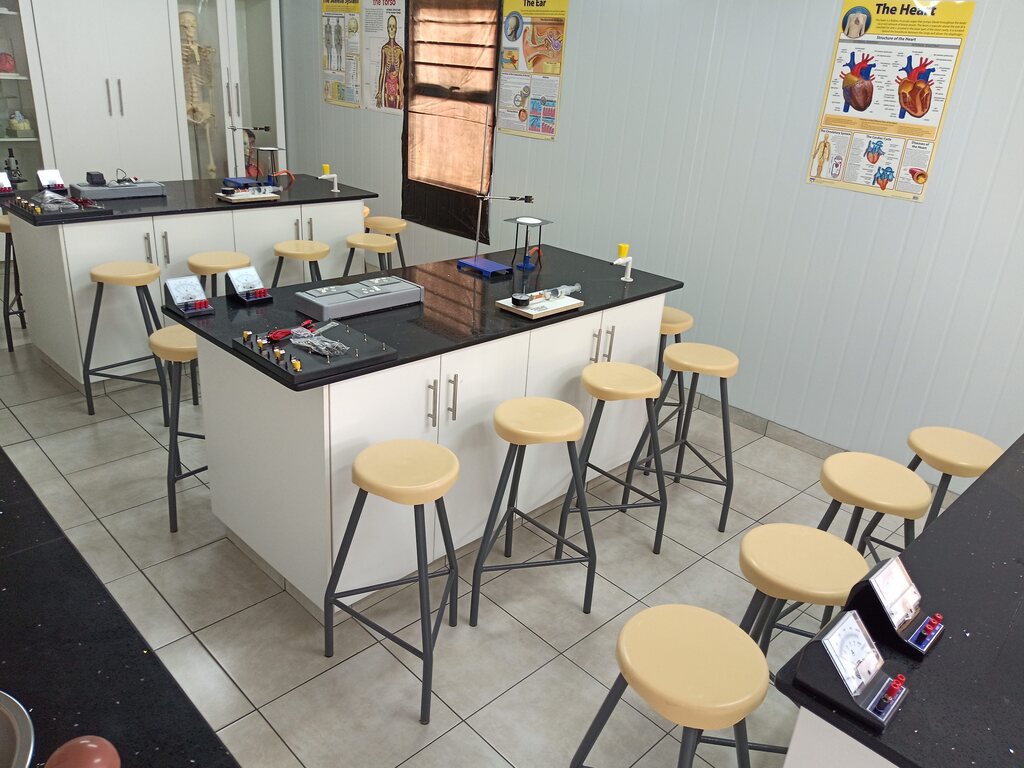
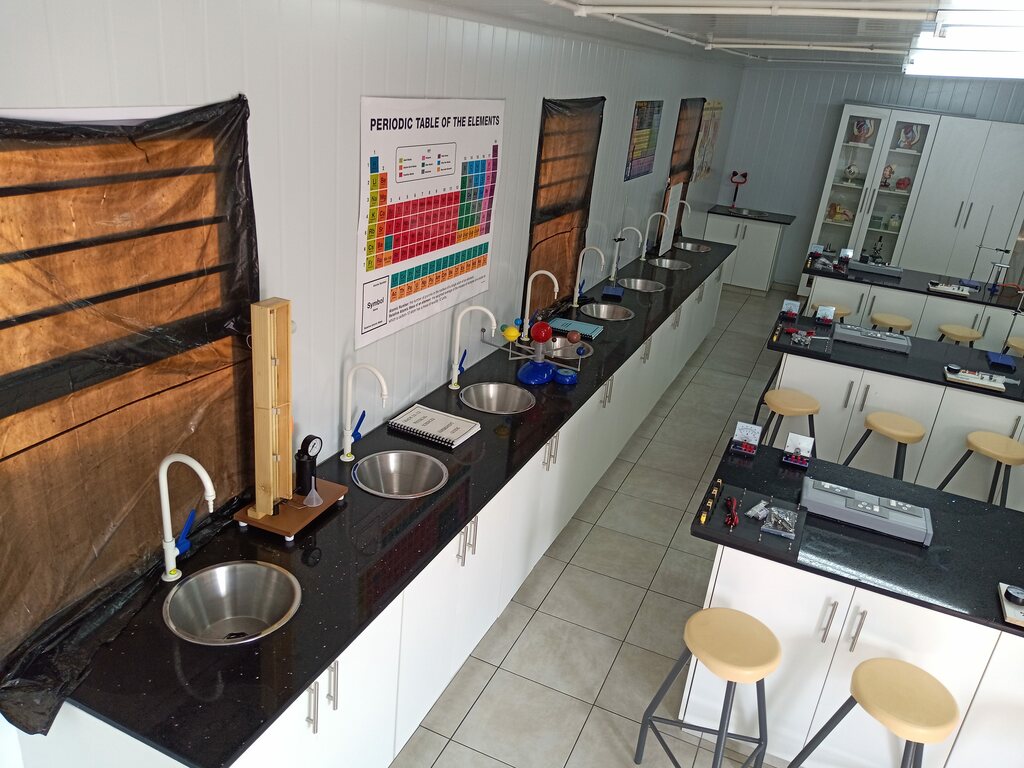
Kusile Labs & Technology delivers innovative modular science laboratories that redefine how STEM education is accessed in South African schools. These prefabricated units are designed to be manufactured and assembled in a very short time, ensuring rapid installation with minimal disruption to teaching schedules. Built with durability and safety at the core, they provide cost‑effective solutions for schools seeking modern facilities without the expense of traditional construction. Each lab is fully equipped with workstations, microscopes, sinks, and essential scientific apparatus, enabling learners to engage in practical experiments across chemistry, physics, and biology. Their modular design allows for scalability and customization, making them suitable for both primary and high schools. By combining affordability, speed, and innovation, Kusile Labs empowers schools to bridge infrastructure gaps and inspire learners with world‑class science environments. These labs embody the mission of creating inclusive, accessible spaces where curiosity and discovery thrive.
Kusile Labs & Technology introduces Mobile Science Laboratories — compact, fully equipped workstations designed for maximum flexibility in primary and high schools. Built on durable caster wheels, these labs can be moved effortlessly from one classroom to another, ensuring that every learner has access to hands‑on STEM education without the need for permanent infrastructure. Each unit includes essential equipment such as microscopes, test tubes, sinks, and gas outlets, enabling practical experiments in chemistry, physics, and biology. The advantage of mobility lies in its cost‑effectiveness and adaptability: schools can share resources across multiple classes, optimize space, and deliver science learning wherever it is needed. Manufactured with precision and assembled quickly, these mobile labs embody innovation and empowerment, bridging gaps in science education and fostering curiosity. Kusile Labs ensures that no learner is left behind, making STEM accessible, engaging, and inspiring across South Africa.
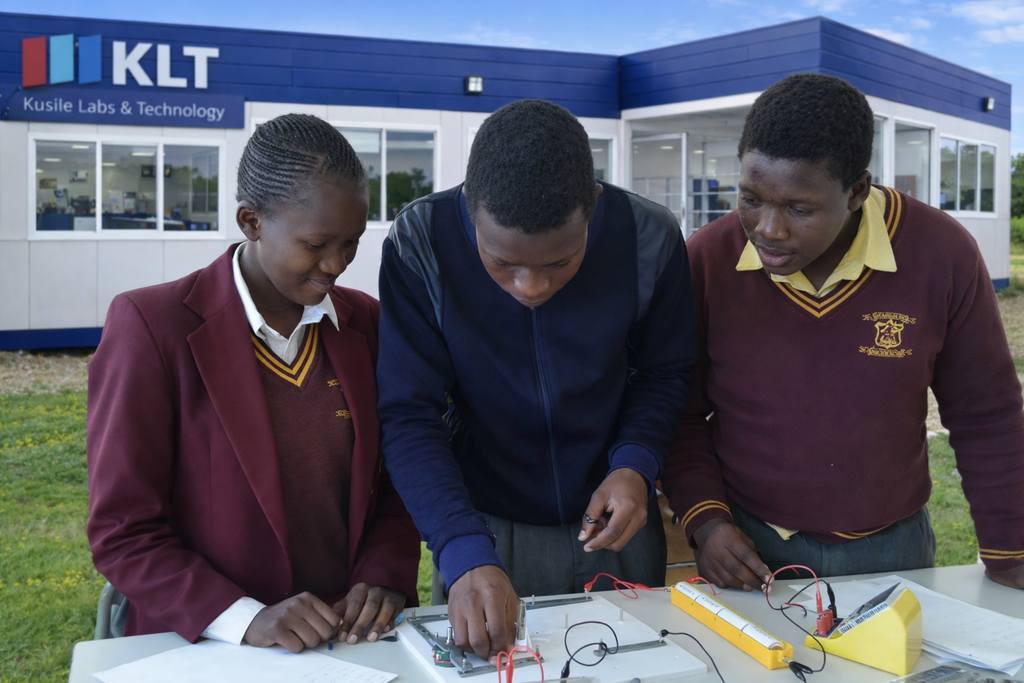
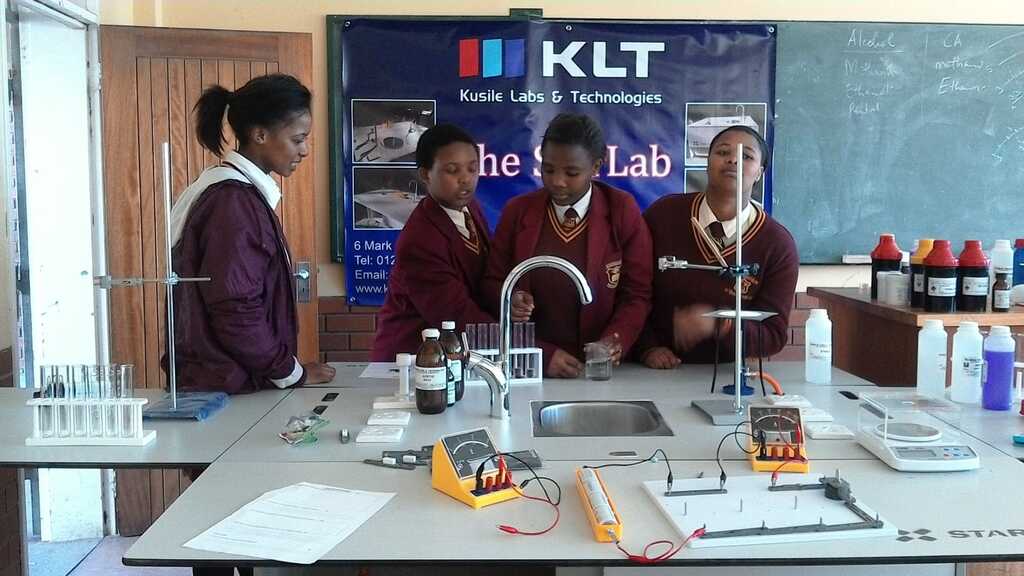
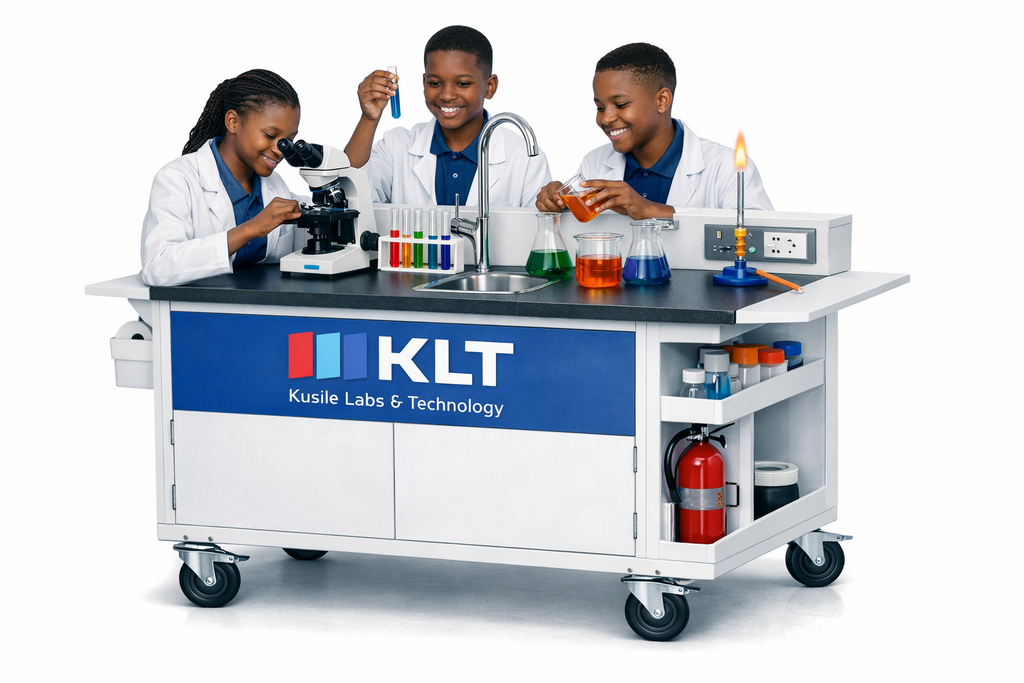
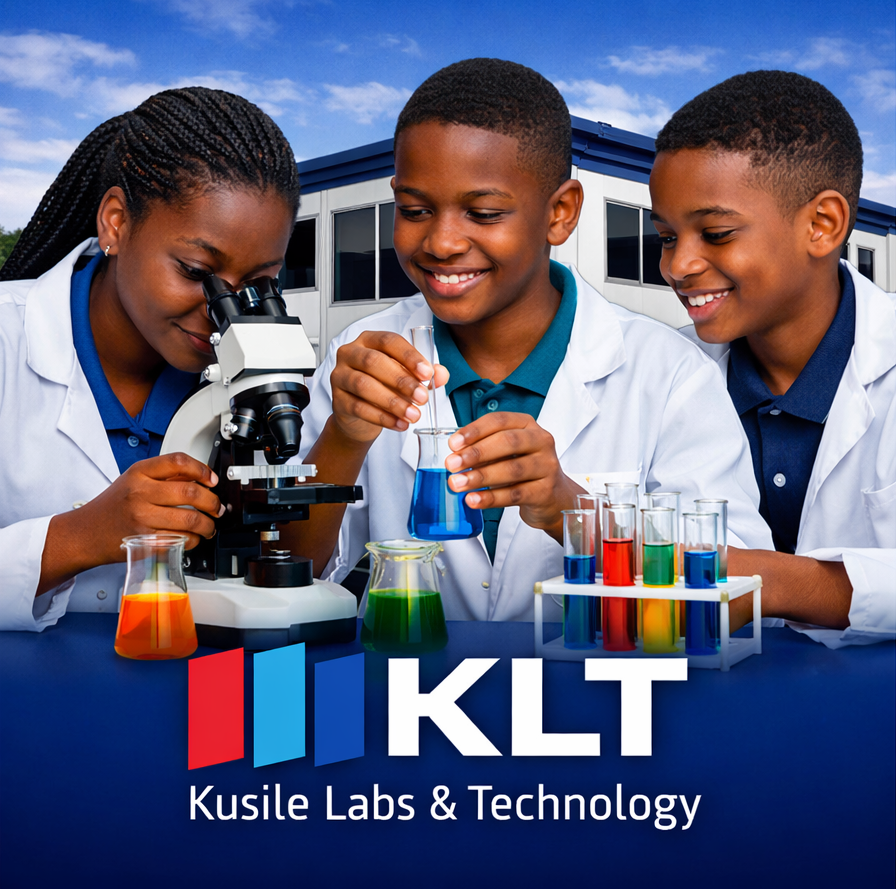
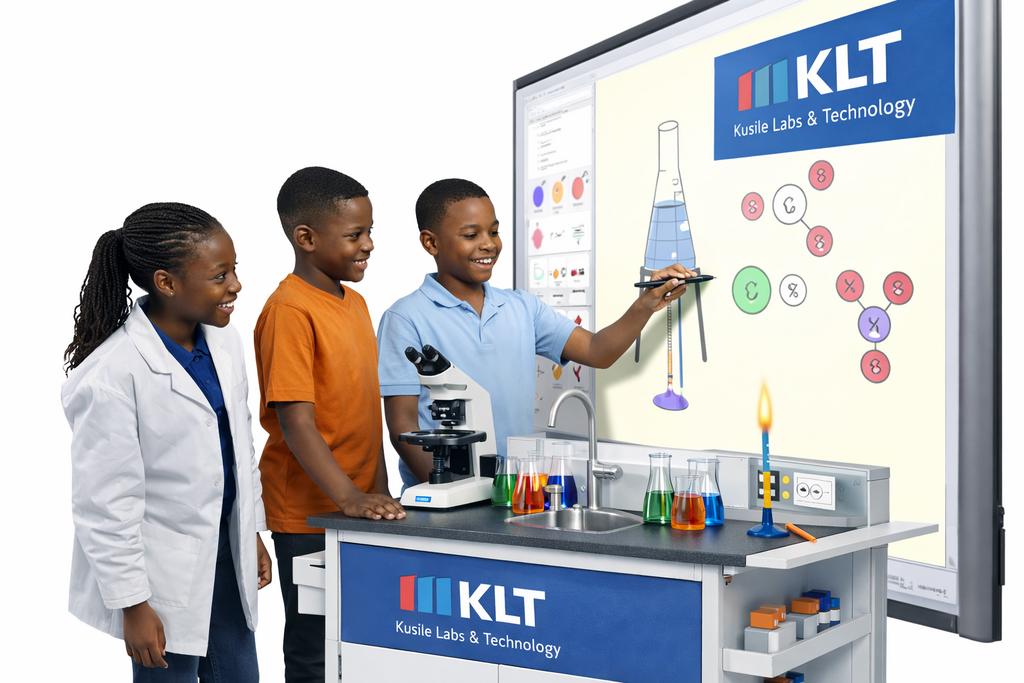
Kusile Labs & Technology is redefining classroom learning through innovation and inclusivity in South Africa’s schools. This interactive science lesson shows enthusiastic learners exploring molecular structures using digital technology and hands-on experiments. The integration of the KLT mobile lab and smart whiteboard demonstrates how modern tools can make STEM education engaging, accessible, and empowering for all students. By combining mobility, interactivity, and real-world application, Kusile Labs bridges the gap between theory and practice, inspiring curiosity and confidence in young scientists. Every learner deserves the opportunity to discover, experiment, and innovate — and Kusile Labs makes that possible.
Kusile Labs & Technology offers Conversion Laboratories as a practical, cost‑effective solution for schools seeking to maximize existing infrastructure. By transforming a standard classroom into a fully functional science lab, we provide access to modern STEM facilities without the need for new construction. Each conversion is carefully designed to include essential workstations, sinks, microscopes, and safety features, ensuring learners can conduct experiments in chemistry, physics, and biology. This approach is particularly valuable for primary and high schools where space and budgets are limited, yet the demand for quality science education is high. Conversion labs are innovative, adaptable, and empowering, enabling schools to integrate STEM learning seamlessly into their daily schedules. With rapid installation and tailored safety protocols, Kusile Labs ensures that every learner has the opportunity to explore, discover, and thrive in a safe, inspiring environment — turning ordinary classrooms into extraordinary spaces for innovation.
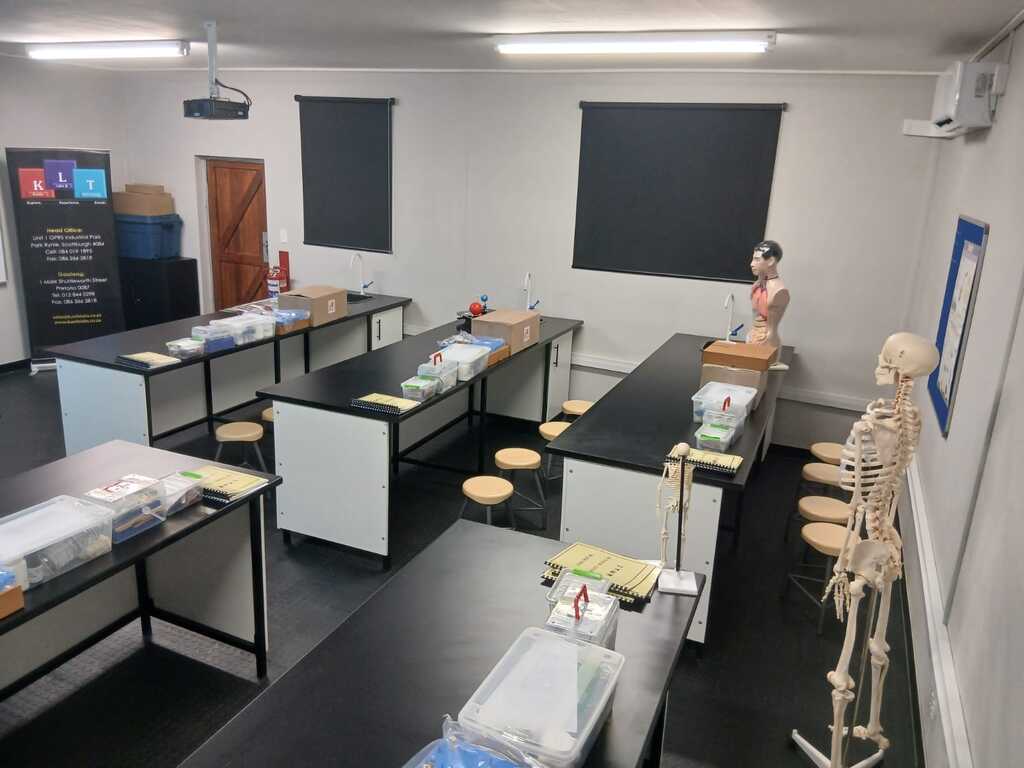
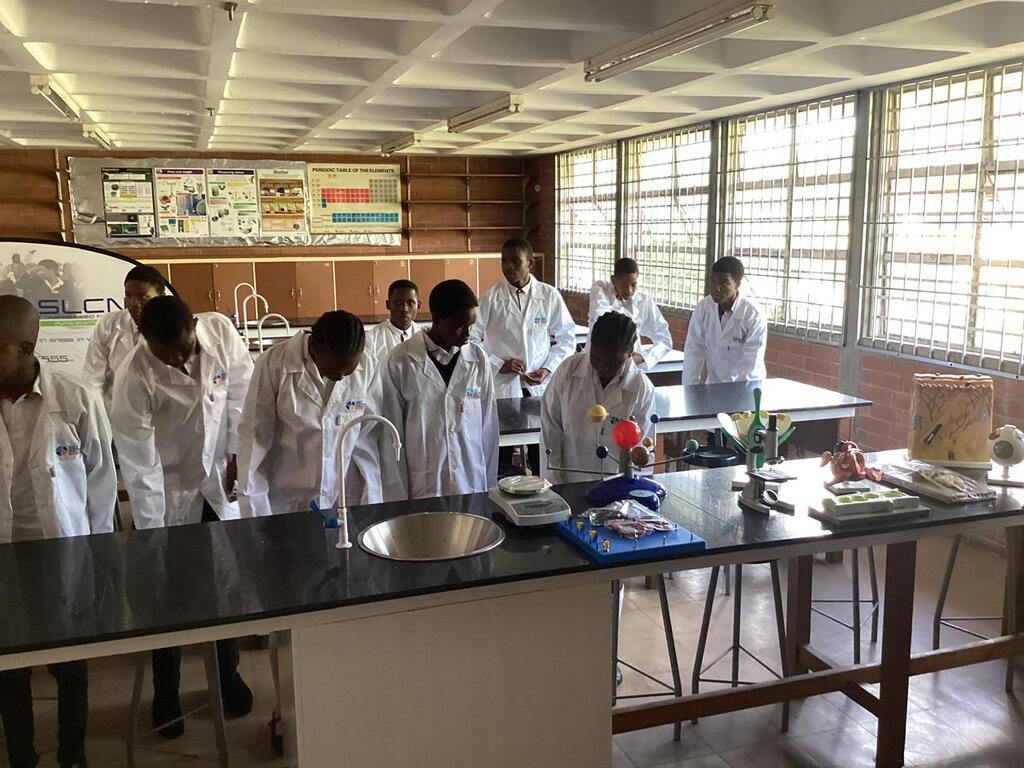
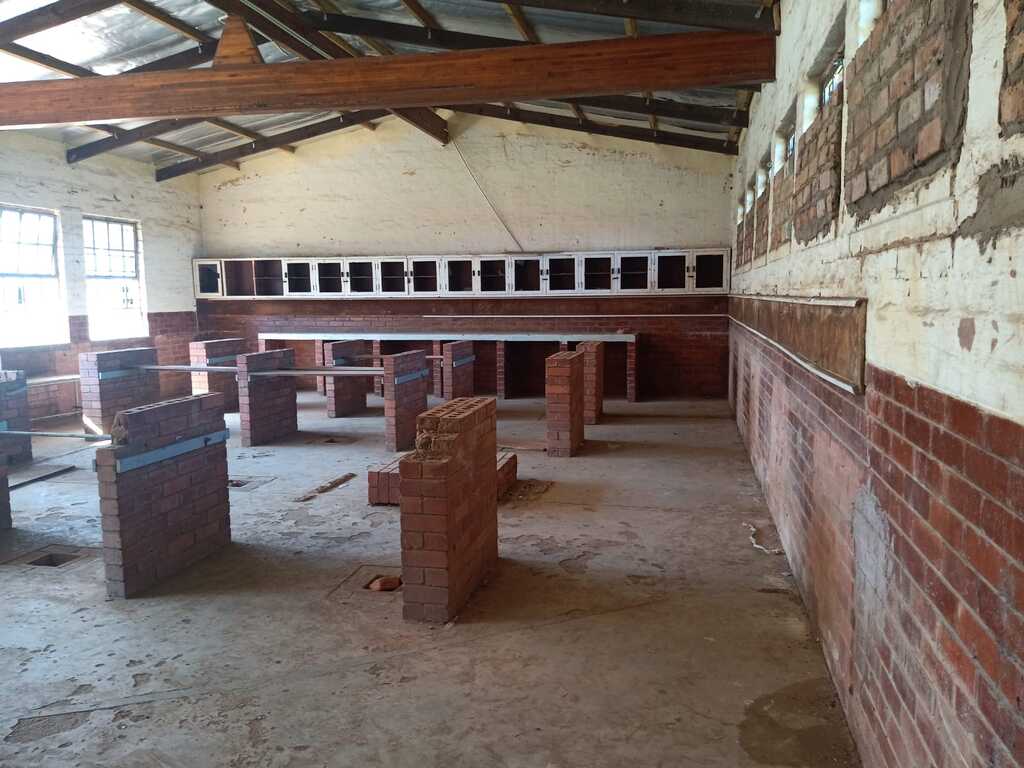
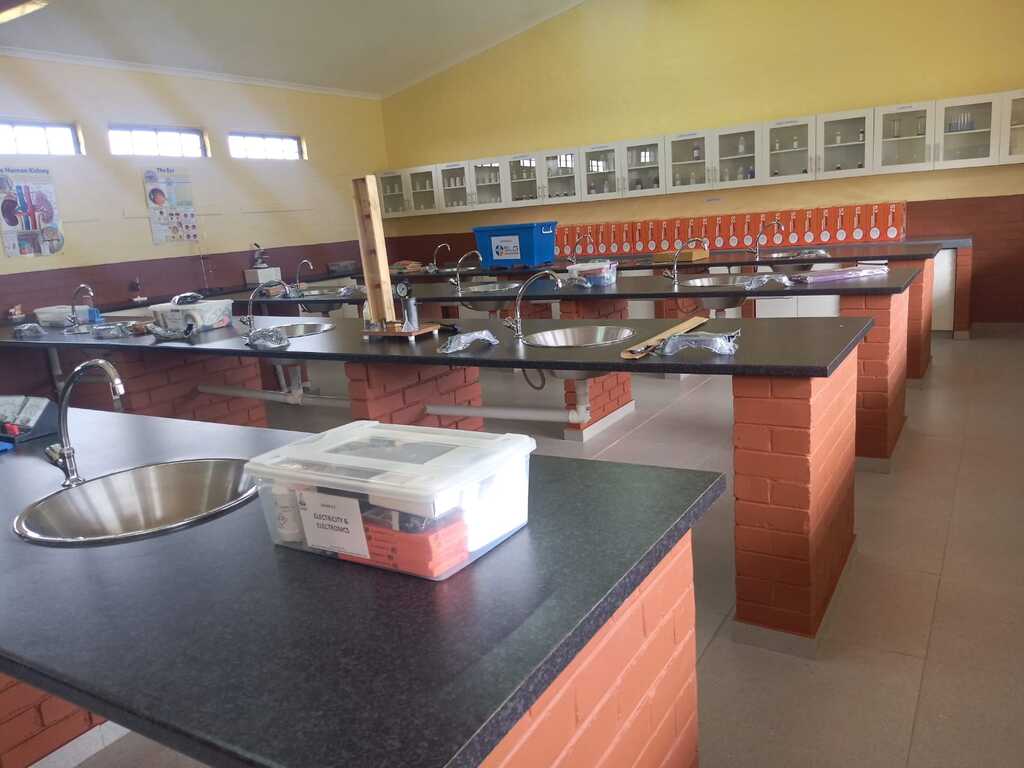
Kusile Labs & Technology specializes in four core services designed to transform science and mathematics education in schools across South Africa. The company designs and builds modular/prefabricated science laboratories, offering modern, fully equipped spaces where schools lack infrastructure. It also undertakes refurbishment of existing classrooms, converting old or dilapidated rooms into state-of-the-art science and mathematics laboratories. For schools with limited space, Kusile Labs & Technology manufactures mobile science laboratories, providing flexible, transportable solutions for practical learning. Additionally, the company supplies comprehensive apparatus, experiment kits, and ICT tools, covering natural sciences, life sciences, physical sciences, chemistry, and mathematics, and pairs these resources with hands-on teacher training to ensure effective utilization, improved learner engagement, and compliance with the national curriculum standards.
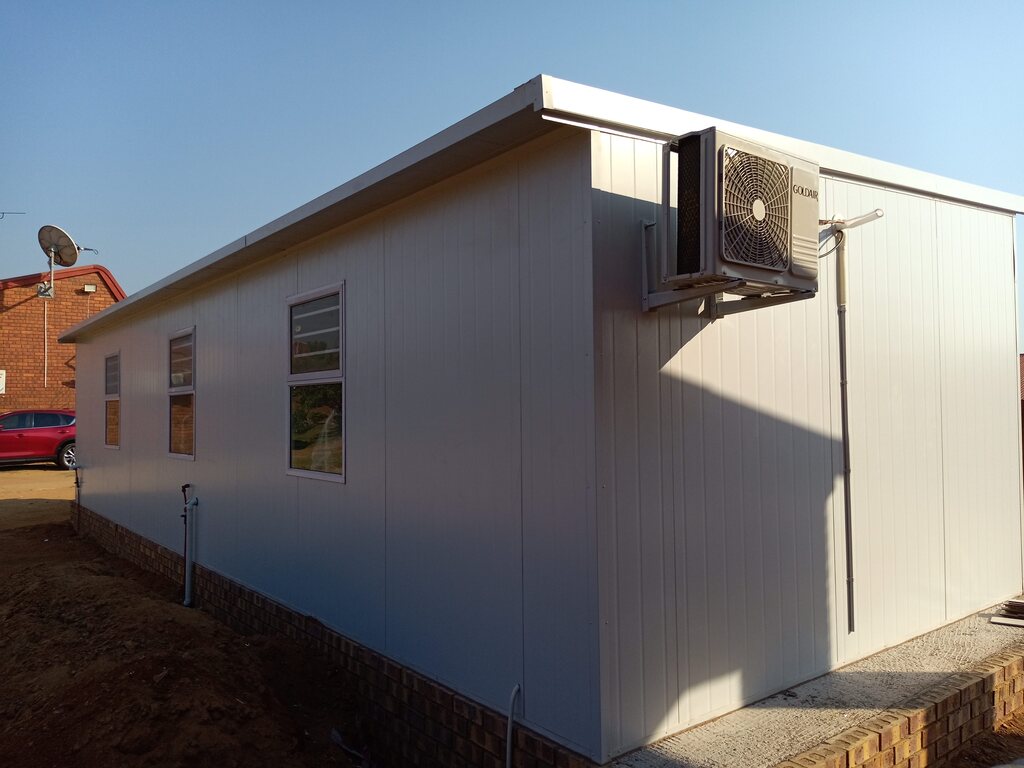
A science lab A before refurbishment
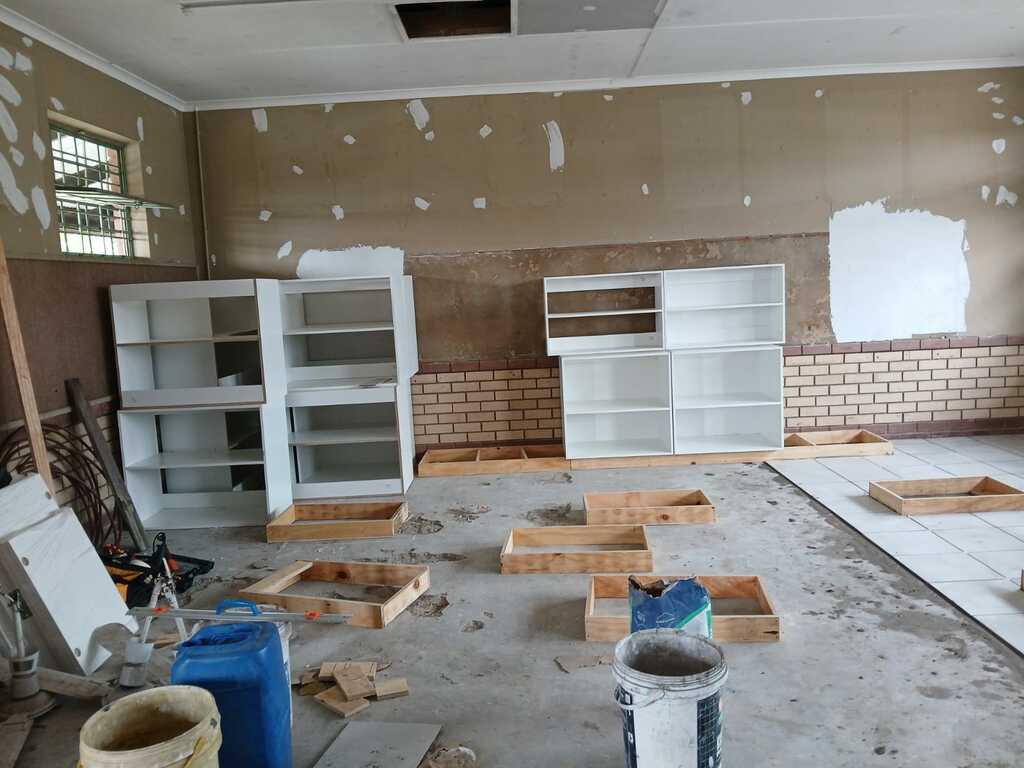
A Science Lab B during refurbishment
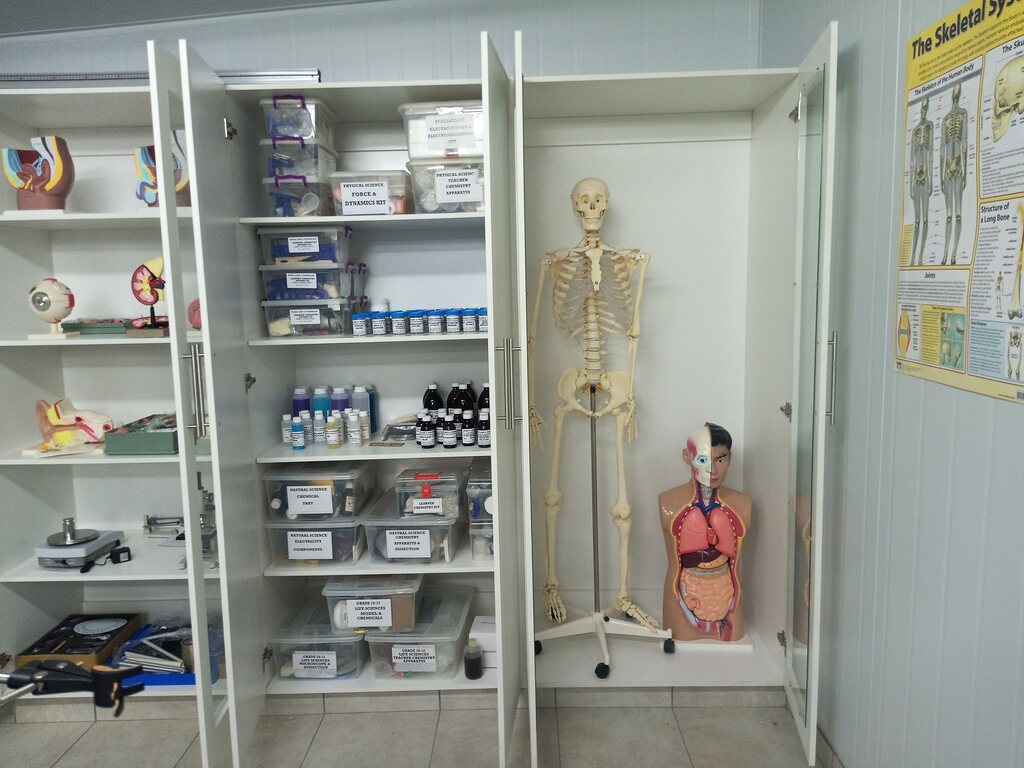
Lab Equipment Storage Unit
The Science lab after refurbishment
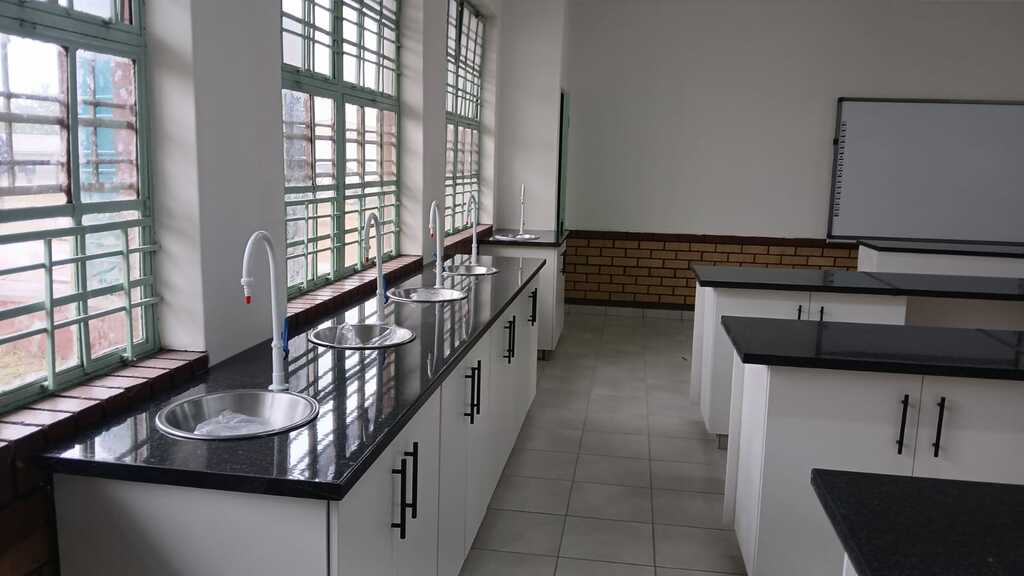
The Science Lab B after refurbishment

Chemicals Storage Unit
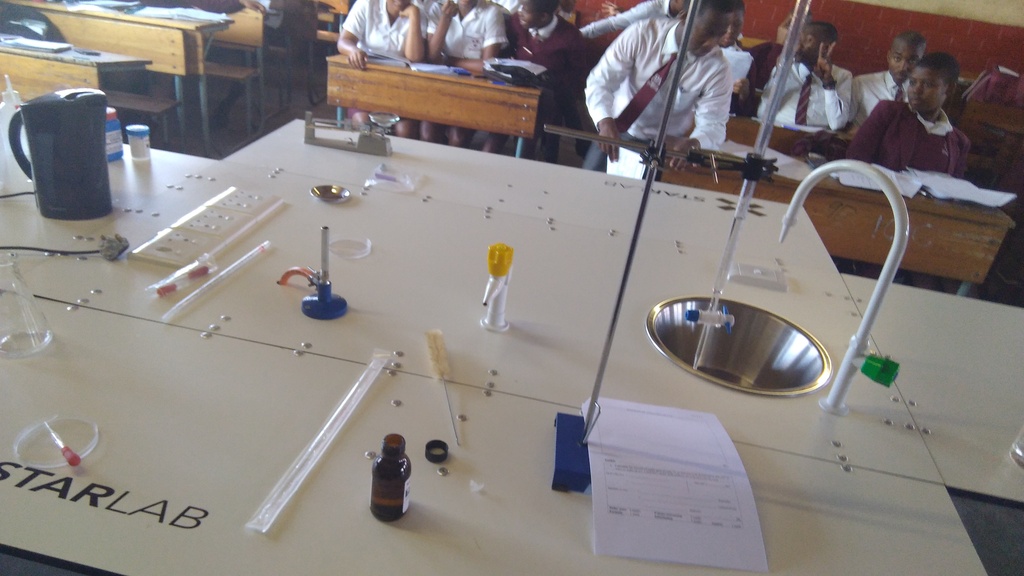
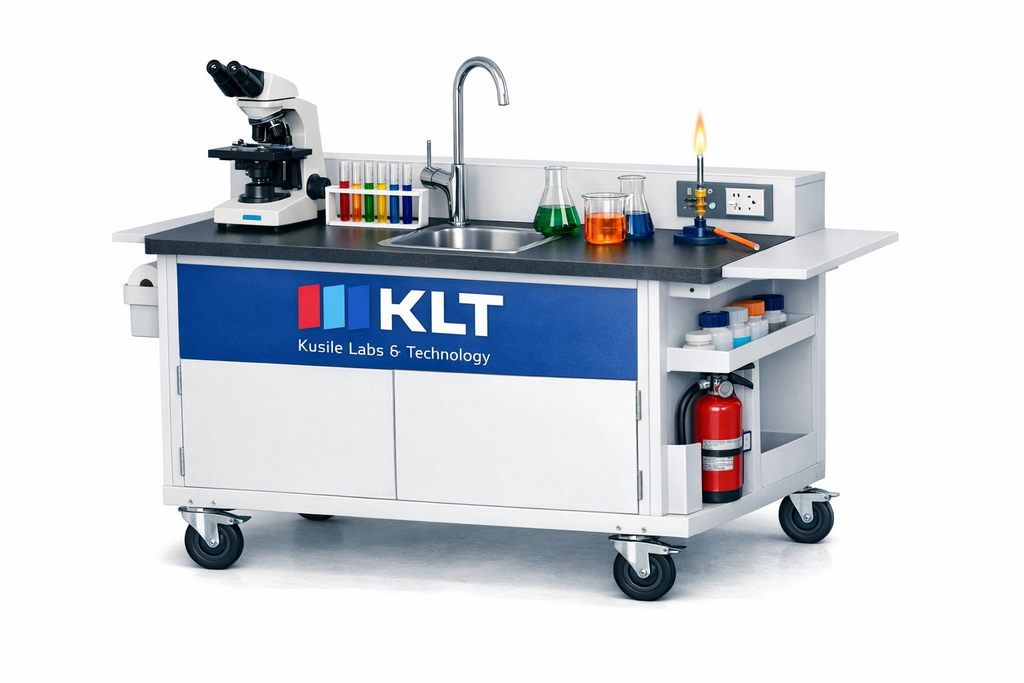
| Total Length when it is open | 1500mm |
| Length when it is closed and compact | 750mm |
| Height | High Schools: 850mm, Primary Schools: 650mm |
| Fittings | Power point plugs, gas burner and nozzles |
| Plumbing | Water tap, sink and drainage |
| Water supply | Fitted with 2 x 10L water Gallons |
| Mobility | On Caster wheels to move from classroom to classroom |
Refurbishment of dilapidated science laboratories involves a complete transformation of outdated, unsafe classrooms into modern, state-of-the-art facilities that meet current educational and safety standards.
The process begins with structural repairs, including flooring, ceilings, lighting, and ventilation, followed by the installation of new workstations, water supply systems, gas lines, and electrical outlets. Advanced ICT equipment such as interactive whiteboards and ceiling-mounted projectors is added to enhance teaching methods.
The laboratories are painted with durable finishes and fitted with secure storage for chemicals and apparatus. Safety equipment, including fire extinguishers, emergency showers, and fume extraction systems, is installed. The upgraded labs create an engaging, safe, and inspiring environment, enabling learners to perform practical experiments and improve science and mathematics learning outcomes.
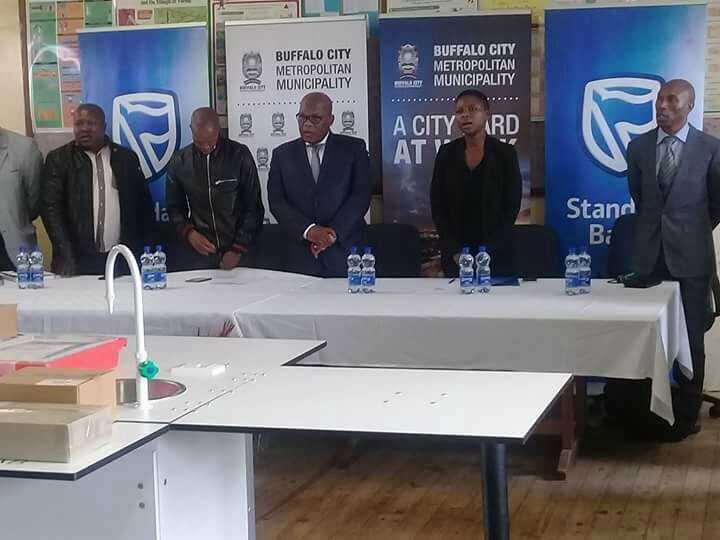
Handover Ceremony for the Mobile Science Lab at Sandisiwe Secondary School by Standard Bank and Kusile Labs & Technology Officials in Mdantsane, East London, Eastern Cape
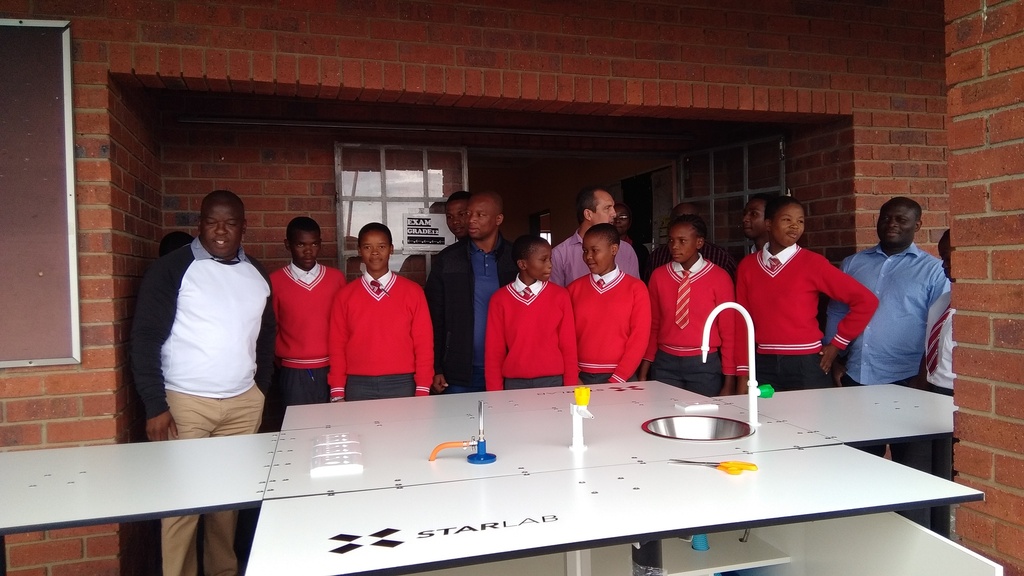
Handover Ceremony for the Mzilikazi High School Mobile Science Lab by Uitkomst Colliery and Kusile Labs & Technology Officials in Uitrecht, KwaZulu Natal.
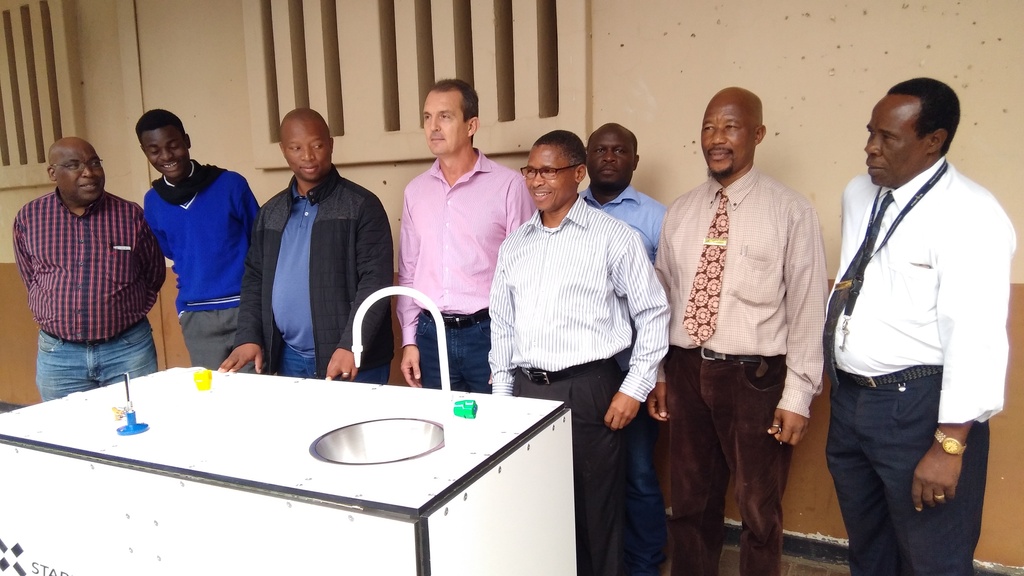
Handover Ceremony for Emalahleni Combined Mobile Science Lab by Uitkomst Colliery & Kusile Labs & Technolgy Officials in Uitrecht, KwaZulu Nalal.
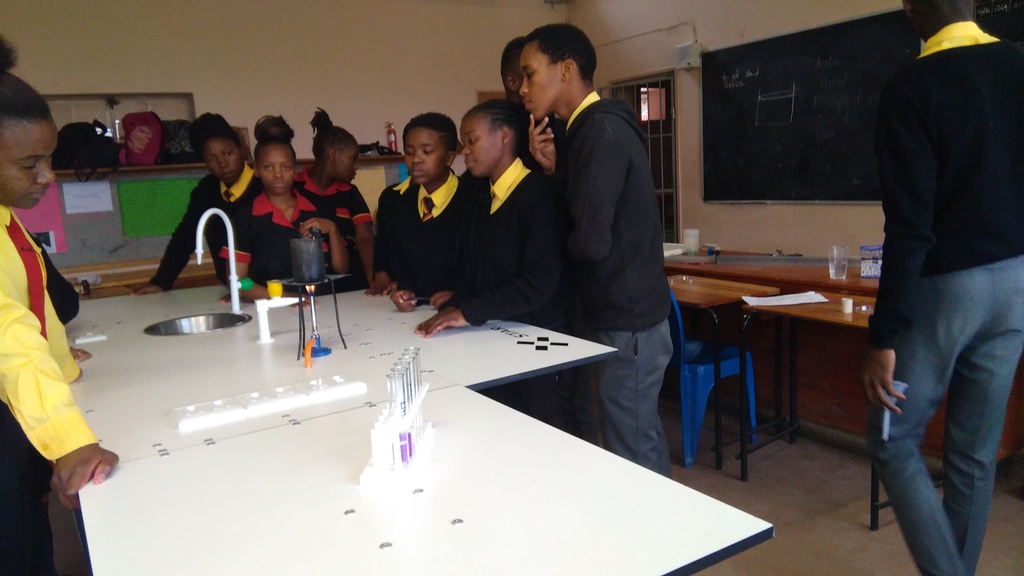
Grade 12 learners from Simanyene High School conducting an experiment on the Kusile Labs & Technology Mobile Science Lab in Strand, Cape Town, Western Cape.
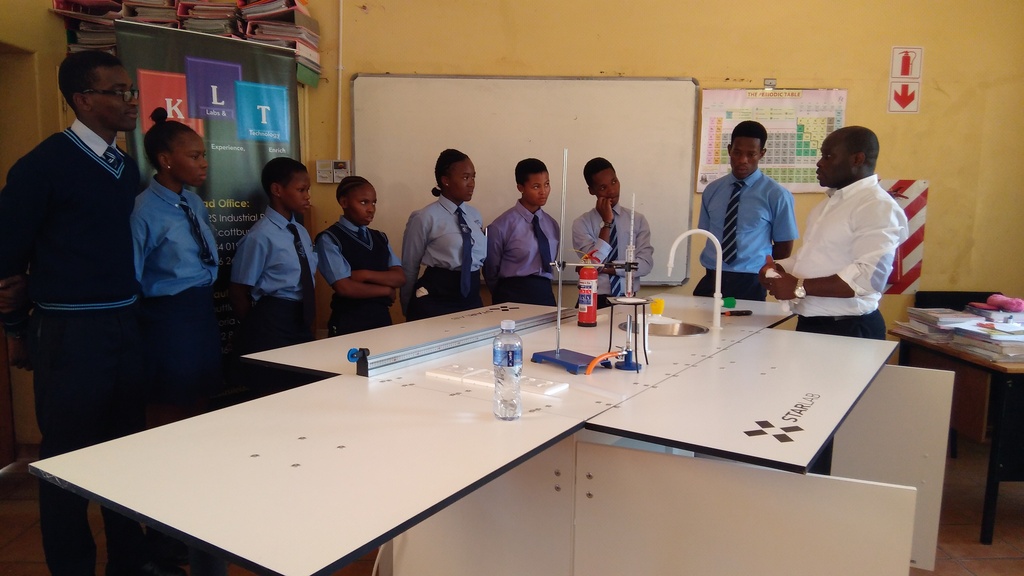
Grade 12 learners from Naauwpoort Secondary School conducting an experiment on the Kusile Labs & Technology Mobile Science Lab in Rustenburg, North West.
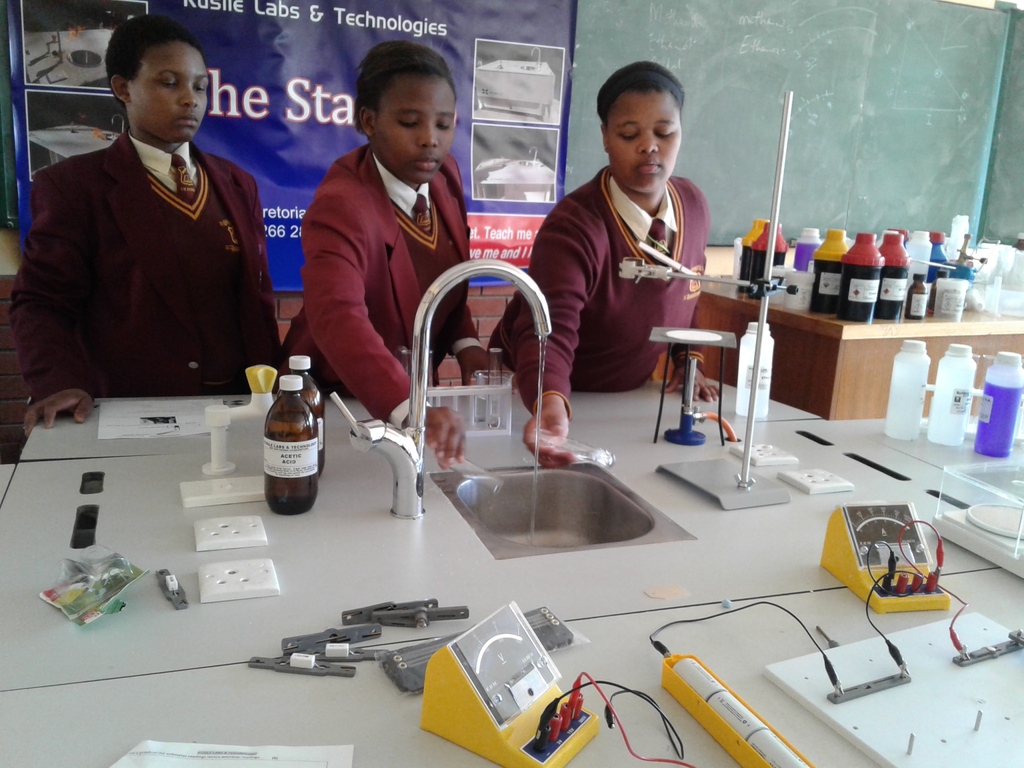
Grade 12 learners from VK Kwinana Senior Secondary School washing hands after conducting an experiment on the Kusile Labs & Technology Mobile Science Lab in Kwa Nobuhle, Uitenhage, Eastern Cape.
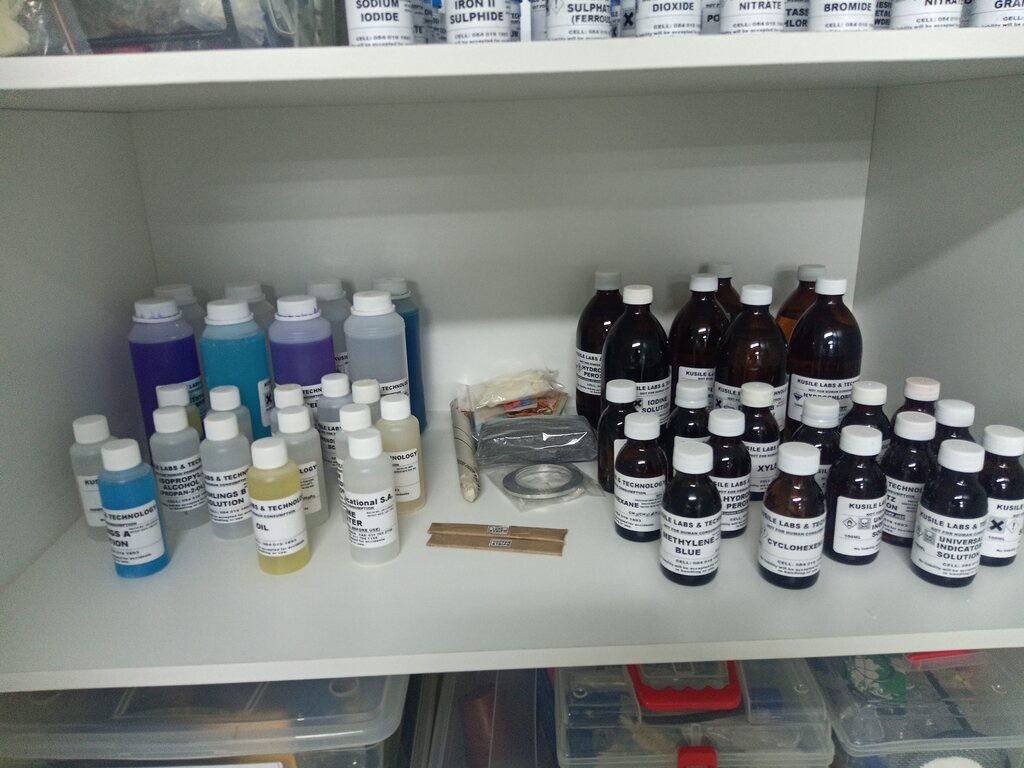
Wet Chemicals
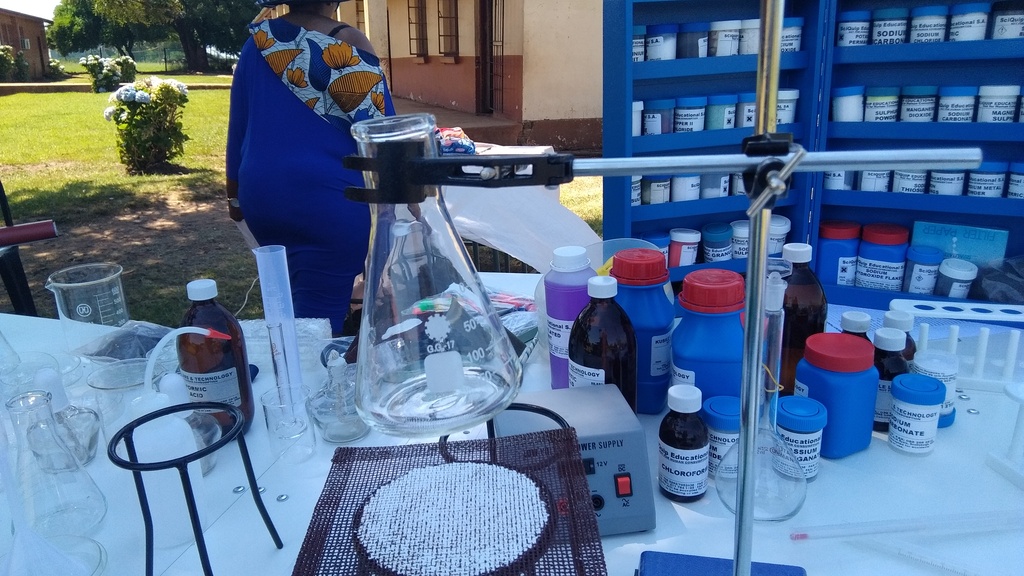
Apparatus, Equipment and Chemicals

Dry and Wet Chemicals
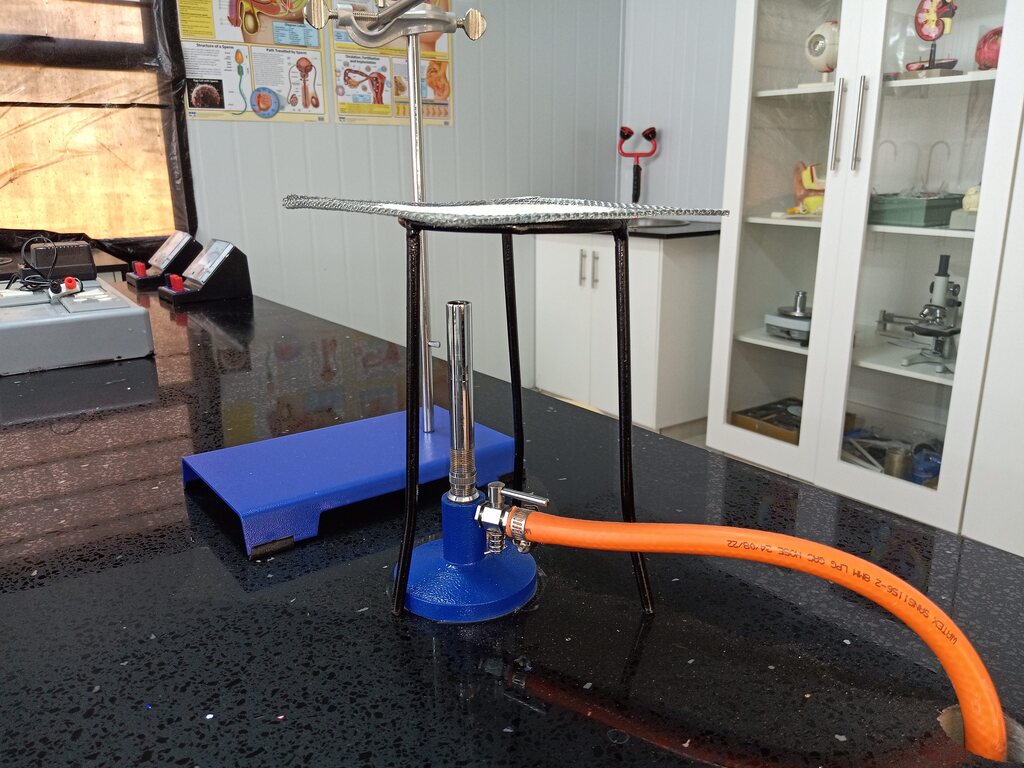
Gas Burner
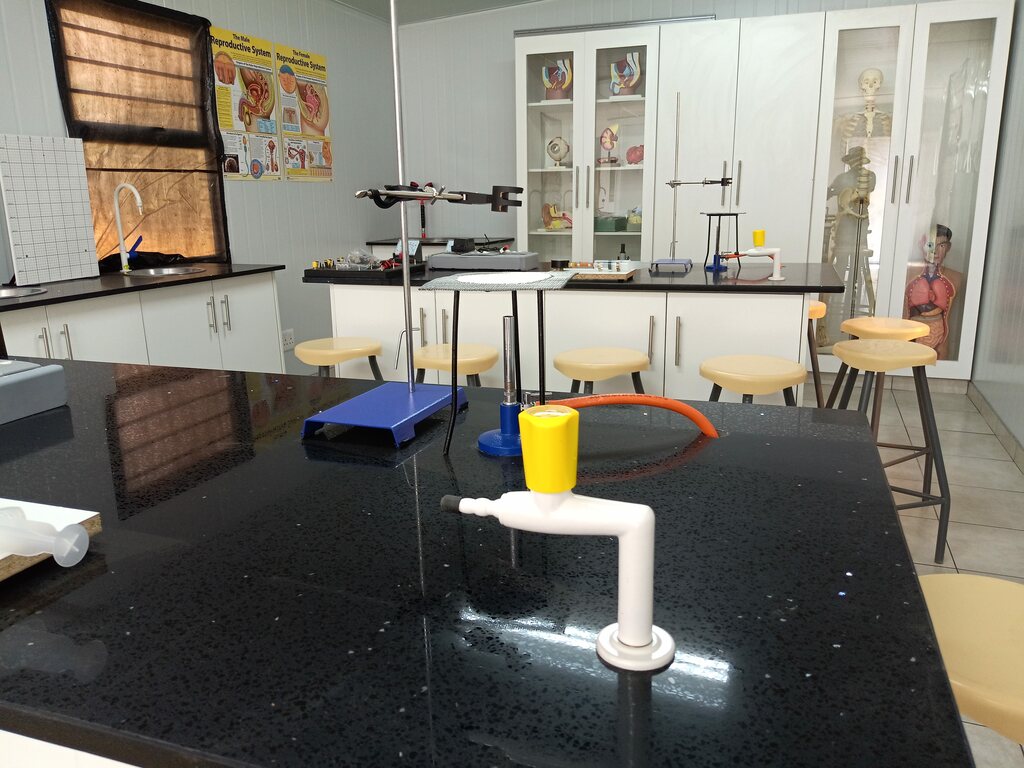
Gas Nozzle
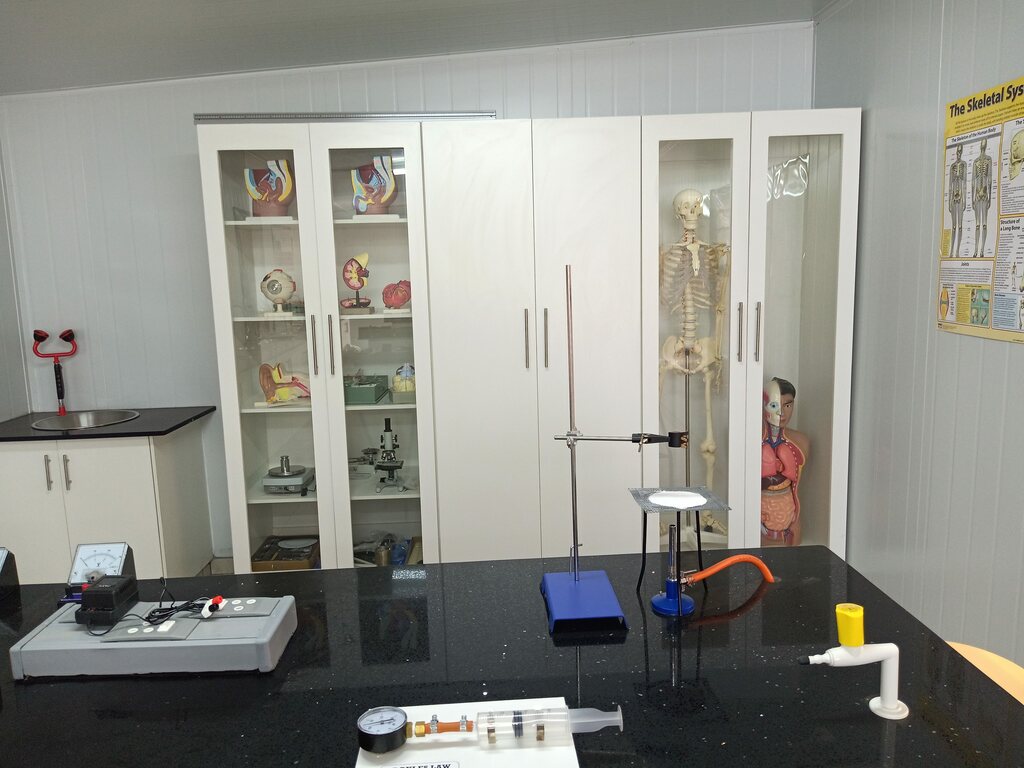
Electrical Power Point, Gas Burner and Nozzle
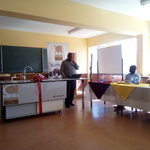
Council for the Built Environment (CBE) - The Council for the Built Environment sponsored a year-long mathematics and science program in KwaNobuhle, Uitenhage, Eastern Cape, benefiting 150 learners. Conducted using a mobile science laboratory, the program provided hands-on practical lessons, bridging gaps in science and mathematics education for under-resourced schools. Learners gained improved understanding, confidence, and performance in STEM subjects. As a result of their dedication and improved outcomes, three learners from the program were awarded computers and bursaries to pursue careers in the built environment. This initiative has created pathways for academic growth and inspired interest in technical and scientific professions within the community.

Standard Bank - Standard Bank, through its Corporate Social Investment (CSI) initiatives, has funded schools in Motherwell in the Eastern Cape and a school in Limpopo, enabling learners to access experiential learning in mathematics and science. By providing mobile and refurbished laboratory facilities, learners in these under-resourced communities can conduct hands-on experiments, bridging the gap between theory and practice. This initiative equips learners with critical STEM skills, fosters curiosity, and improves academic outcomes. Through experiential learning opportunities, Standard Bank empowers learners with the knowledge and confidence required to pursue science-related careers, uplifting communities and contributing to long-term educational and economic development.
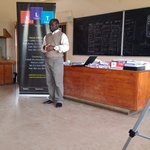
Training - Kusile Labs & Technology provides comprehensive teacher training programs for educators whose schools benefit from CSI-funded science and mathematics infrastructure, including mobile labs, prefab/modular labs, and refurbished classrooms. Training equips teachers with the skills to effectively use modern laboratory equipment, ICT tools, and experiment kits. It emphasizes practical teaching methodologies aligned with the national curriculum, ensuring safe handling of chemicals, apparatus, and lab technology. Teachers gain confidence in conducting demonstrations and facilitating learner-centered experiments. Continuous support and user manuals accompany the training, empowering teachers to create engaging, hands-on learning environments that maximize the impact of the new facilities and resources.
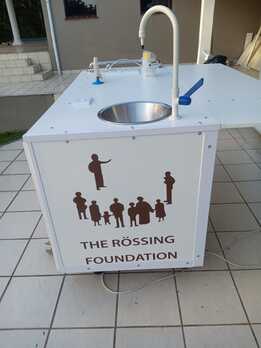
Rossing Foundation- The Rossing Foundation in Windhoek, Namibia, has procured three mobile science laboratories to expand access to practical science and mathematics education. These mobile labs travel to underserved schools, providing learners with hands-on experiments and STEM learning. By taking modern laboratory facilities directly to remote areas, the foundation improves science learning outcomes, fosters curiosity, and supports equitable education opportunities for learners in disadvantaged Namibian communities.
SGS - SGS South Africa has, over the years, played a significant role in improving science and mathematics education by supporting schools across five provinces: KwaZulu-Natal, Mpumalanga, Gauteng, North West, and the Western Cape. Through its ongoing corporate social investment initiative, the company has equipped schools with science laboratory apparatus, chemicals, and consumables essential for conducting curriculum-aligned experiments. Each year, schools participating in this program receive a replenishment of chemicals and other necessary materials to ensure uninterrupted practical learning. This sustained support strengthens science education, enhances learner engagement, and promotes a culture of hands-on experimentation, helping to raise academic performance in underserved communities.
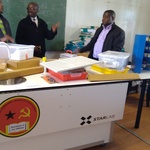
SACP - The South African Communist Party’s initiative to procure a mobile science laboratory, along with a complete set of FET equipment and chemicals, for a deserving underprivileged school is a vital investment in education. This contribution enables learners from disadvantaged backgrounds to gain hands-on experience in science and mathematics, bridging the gap between theory and practice. By prioritizing STEM resources, the initiative empowers youth with critical skills, inspires interest in scientific fields, and levels the educational playing field. Such efforts foster long-term socio-economic development by creating opportunities for learners who might otherwise lack access to essential science laboratory infrastructure.
